
a small computer to start with.
you type a few words, and things happen. a robot walks out of a maze. a drawing appears. it rolls across the floor. in the spirit of the home computers of 1982 — to tinker with, line by line.
- open source
- principled simplicity — look into the source of everything
- robotics, math, physics — by doing
- full course material available, or just use bits and pieces and play around
- made to fit more than one kind of mind
- from ages 4–6 up to 14, with different exercises
things you can run
each one is a small game. here's what's on the screen — and the idea hiding inside it.
run 'keyboard'
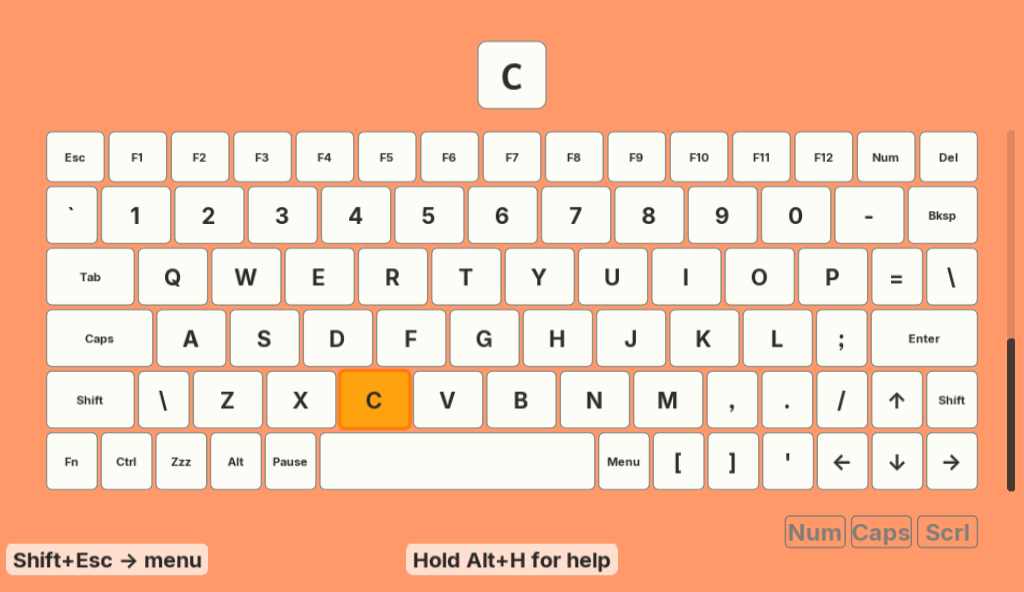
find the keys. press anything; nothing here can break.
being at home with the machine
run 'maze'
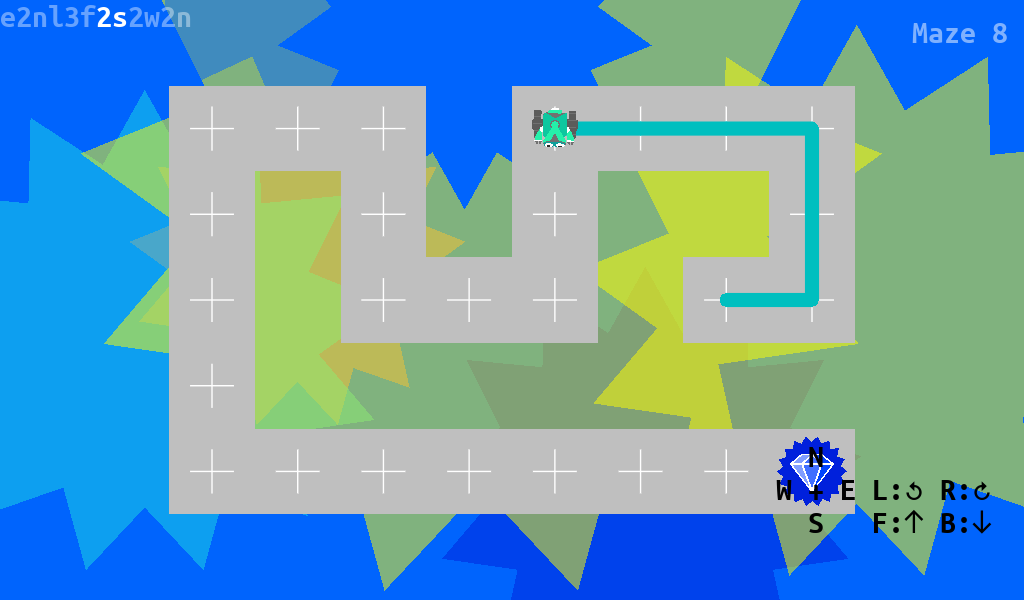
steer a robot out with N S E W. then: type the whole path first, press go, and watch it run.
a command and its effect, pulled apart in time
run 'maze-editor'
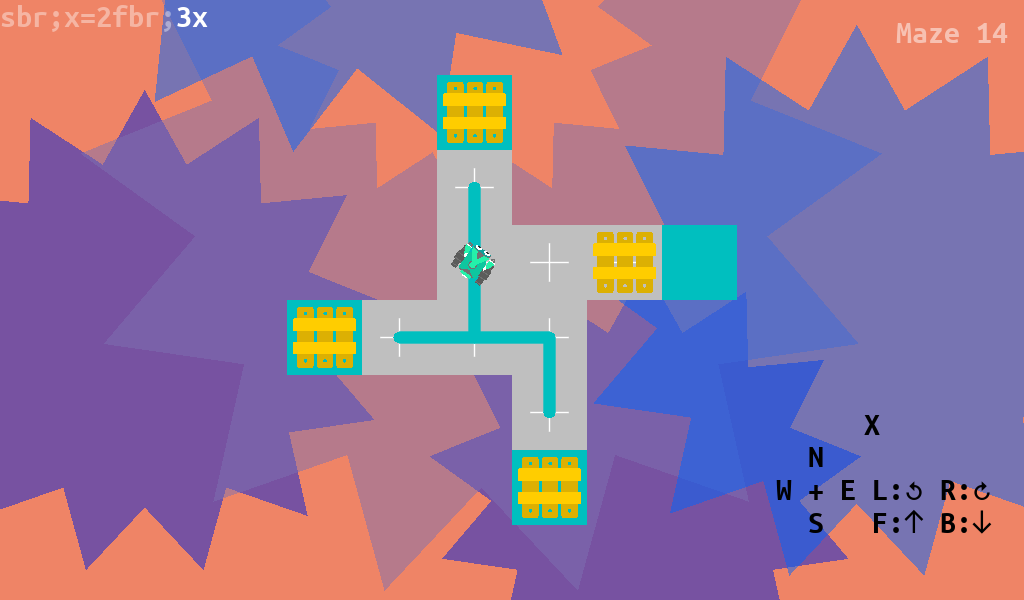
write the path as a program. tired of typing? name a piece:
X=EENNEE, then just say X.
a first variable, before the word for it
run 'draw'
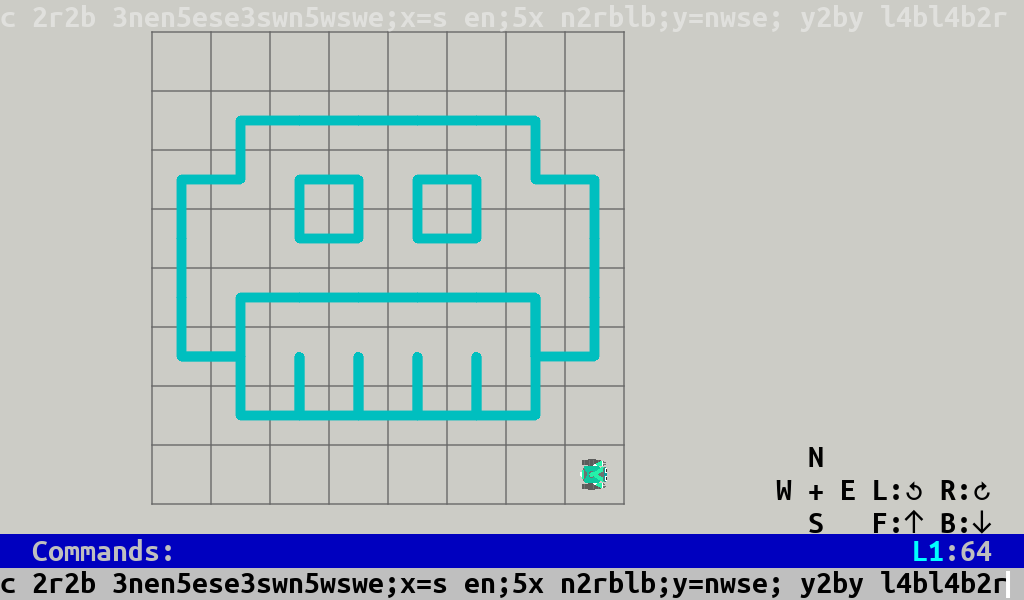
now the robot leaves a trail.
3E 3N 3W 3S → a square.
a number is a length; a description becomes a thing
run 'estimate'
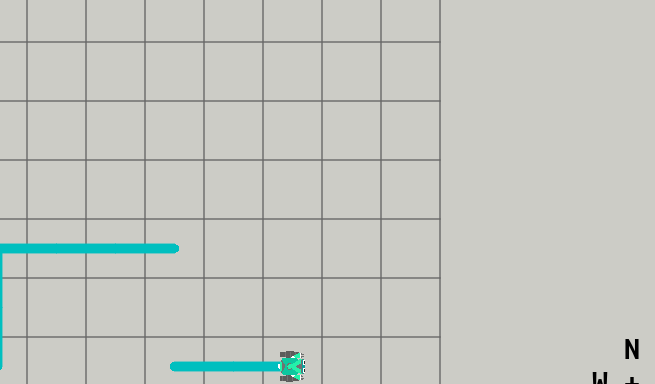
how long is that line? write your guess, and the computer draws it over the original.
turning “i think” into “i know”
run 'cars'
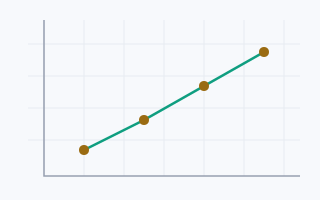
race four cars, time them with a stopwatch, plot the points on paper.
measurement, and your first graph
run 'robot'
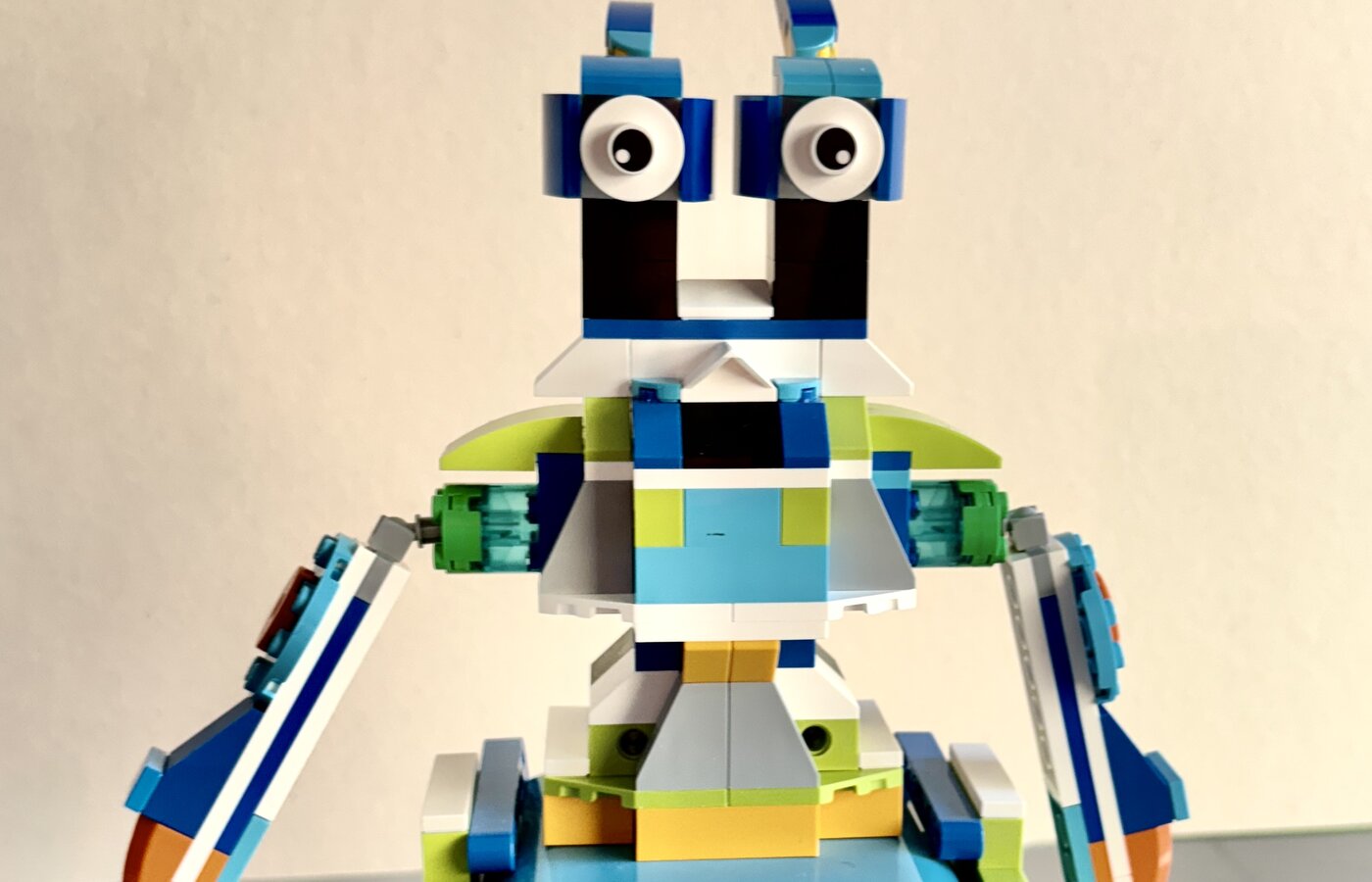
the same N S E W now drive a real robot across the floor.
the idea survives leaving the screen
or the whole arc, as an 8-week course
run them in order and they spiral: eight sessions from a first nervous keypress to a programmed robot, each week revisiting the last from a little higher up. there is a full written plan.
- 1the keyboard — unafraid of the machine
- 2the maze — commands, then planned commands
- 3the editor — programs, shorthand, a first name
- 4drawing — a description becomes a picture
- 5measure & graph — numbers stand for real things
- 6the bee's dance — a program you hand to someone else
- 7the robot — the same idea, in the physical world
- 8the grand challenge — all of it, together
participants need no prior experience. they discover new ideas, solve challenges, and explain findings to each other.